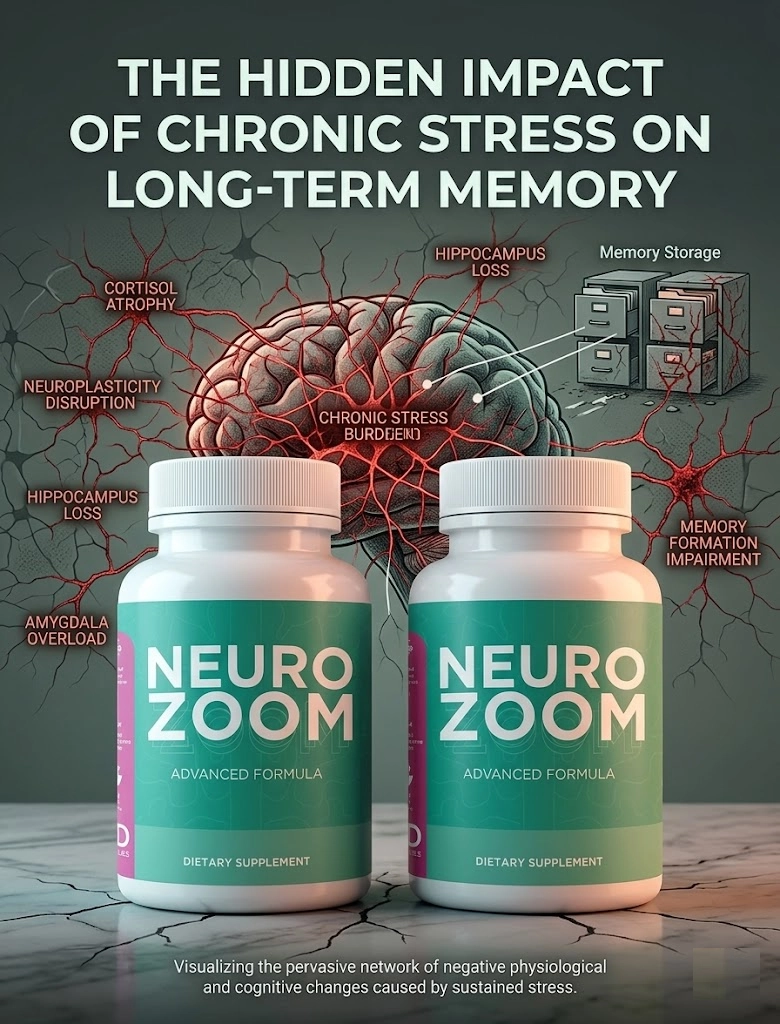
We all know what it feels like to be stressed. Your heart races, your palms sweat, and your mind races. But have you ever noticed how, during periods of extreme stress, your memory seems to vanish? You might forget a crucial detail during a presentation, misplace important documents, or completely blank on a conversation you had just hours ago.
While we often dismiss this as simply having "too much on our plate," the biological reality is far more alarming. Chronic stress doesn't just distract you; it actively alters the physical structure of your brain, specifically attacking the areas responsible for long-term memory formation. In this comprehensive guide, we will explore exactly how stress sabotages your memory and, more importantly, how you can reverse the damage.
The Biology of Stress: Amygdala vs. Hippocampus
To understand the impact of stress on memory, we have to look at two specific regions of the brain: the amygdala and the hippocampus.
The amygdala is your brain's alarm system. It is responsible for processing fear, threats, and emotional responses. The hippocampus, on the other hand, is the memory center. It is responsible for taking short-term memories and consolidating them into long-term storage.
In a healthy brain, these two work in harmony. But when you encounter a stressful situation (a looming deadline, financial worries, or an argument), the amygdala sounds the alarm and triggers the release of cortisol, the primary stress hormone.
Cortisol: The Memory Killer
In short bursts, cortisol is highly beneficial. It is the "fight or flight" hormone that gives you the surge of energy needed to escape danger. However, the modern human brain cannot easily distinguish between a physical threat (like being chased by a predator) and a psychological threat (like an overflowing email inbox).
When you are under constant, chronic stress, your cortisol levels remain artificially elevated. This sustained exposure to high cortisol is highly toxic to the brain. Clinical neuroimaging studies have shown that prolonged high cortisol actually shrinks the hippocampus. It halts neurogenesis (the creation of new brain cells) and causes the dendrites (the branches that connect neurons) to wither.
When the hippocampus shrinks, its ability to consolidate memories plummets. You might experience the event, but your brain fails to "save the file," resulting in massive gaps in your long-term memory.
The Sleep-Stress Vicious Cycle
Memory consolidation primarily happens while you sleep. During deep, restorative sleep, the hippocampus replays the events of the day and securely stores them in the cerebral cortex.
Unfortunately, high cortisol levels are the enemy of deep sleep. Chronic stress leads to insomnia or fragmented sleep. Without adequate REM and slow-wave sleep, your brain misses its critical window to process and store memories. This lack of sleep leads to more brain fog the next day, which causes more stress, creating a vicious, destructive cycle.
Breaking the Cycle
The damage caused by stress is not permanent. Thanks to neuroplasticity, the brain can heal and rebuild the hippocampus if you remove the toxic stressors and provide the right nutritional building blocks. Learn about the ingredients that support neuroplasticity.
How to Protect Your Memory from Stress
1. Activate the Parasympathetic Nervous System
You cannot eliminate all stress from your life, but you can change how your body reacts to it. Practices like deep diaphragmatic breathing, meditation, and yoga activate the vagus nerve, instantly lowering cortisol levels and pulling your brain out of the "fight or flight" state.
2. Physical Exercise for BDNF Production
Cardiovascular exercise acts as a physiological buffer against stress. Not only does it burn off excess adrenaline, but it also triggers the release of Brain-Derived Neurotrophic Factor (BDNF). BDNF acts like fertilizer for the brain, stimulating the growth of new neurons in the hippocampus, counteracting the shrinking effect of cortisol.
3. Adaptogenic & Nutritional Defense (The NeuroZoom Protocol)
Dietary intervention is critical when dealing with chronic stress. When cortisol runs high, your brain rapidly burns through essential vitamins and minerals, leaving your cognitive reserves empty.
To effectively rebuild memory pathways, neuroscientists often recommend adaptogens—compounds that help the body adapt to and resist stress. This is exactly why the NeuroZoom formula has gained massive popularity. It isn't just a basic vitamin supplement; it is a comprehensive 35-in-1 matrix designed to repair the damage caused by modern stress.
- Calming Overactive Neural Pathways: Ingredients like L-Theanine help promote alpha brain waves, inducing a state of calm focus without drowsiness, effectively counteracting the panic signals sent by the amygdala.
- Synaptic Repair: Bacopa Monnieri supports the physical repair of the dendrites damaged by oxidative stress, re-establishing clear communication lines for memory retrieval.
- Antioxidant Buffering: High-grade antioxidants neutralize the free radicals generated during high-stress periods, protecting the delicate tissue of the hippocampus.
Reclaiming Your Mind
Chronic stress may be a hallmark of modern life, but memory loss doesn't have to be. By understanding how cortisol attacks your brain, you can take proactive steps to defend it. Through mindfulness, exercise, and targeted, clinical-grade nutritional support, you can rebuild your hippocampus and secure your long-term memory.
Defend Your Brain Against Stress Today
Don't let high cortisol levels steal your precious memories. Fortify your cognitive pathways with the complete 35-in-1 NeuroZoom formula.
Claim Your Verified Discount HereProtected by a 60-Day, 100% Risk-Free Guarantee